European industries operate in highly competitive environments where operational efficiency directly impacts profitability and growth. Maintaining the right workforce structure is not only about filling roles but about aligning staffing levels with production targets, service expectations, and long-term business planning. Without a structured staffing approach, businesses may experience workflow bottlenecks, inconsistent output, and increased operational strain.
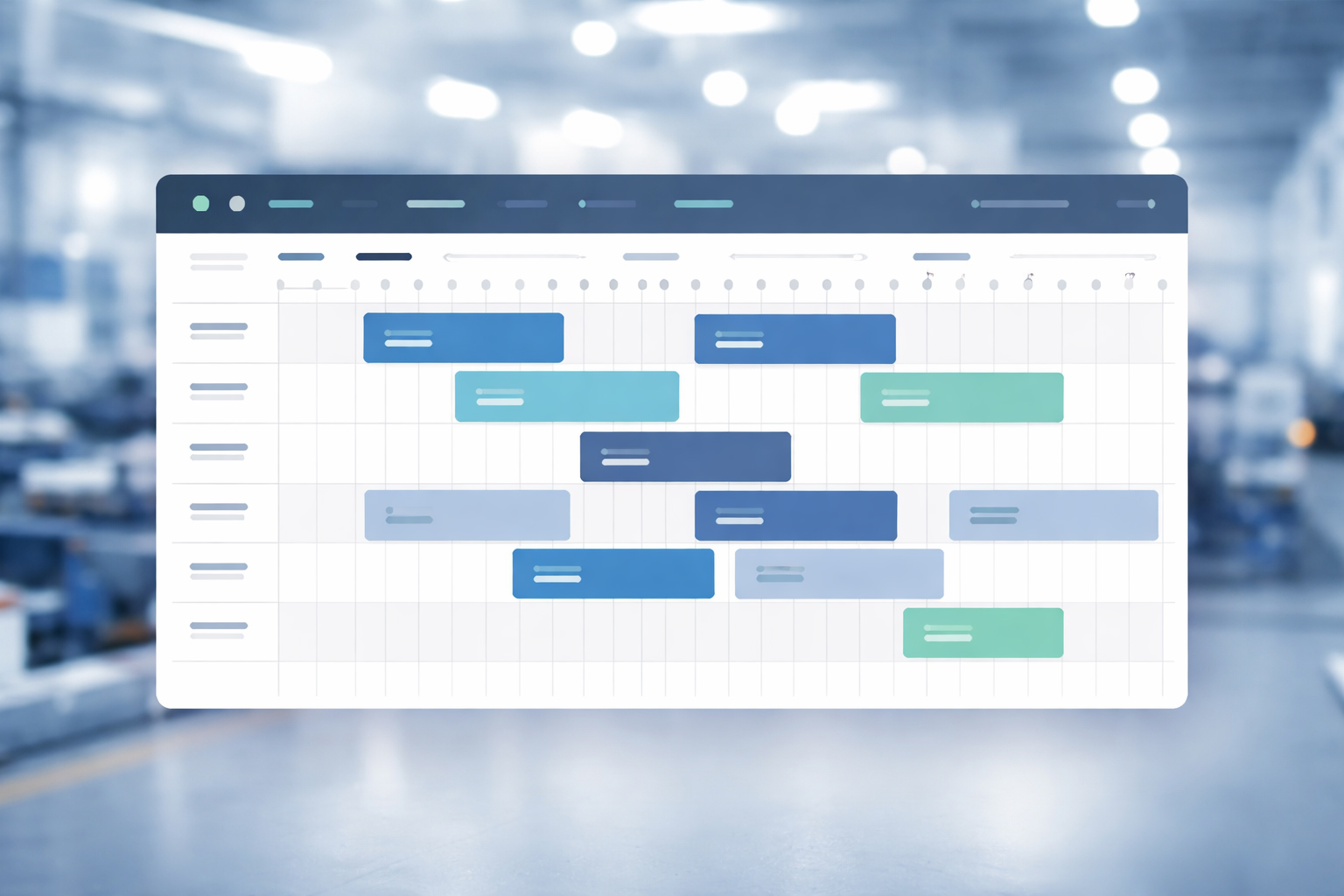
Structured staffing strategies focus on identifying workforce needs in advance and allocating resources accordingly. This includes evaluating workload patterns, seasonal demand, shift requirements, and skill distribution across departments. When staffing models are clearly defined, businesses gain better control over productivity, reduce last-minute hiring pressure, and improve coordination between operational teams.
In industries such as manufacturing, logistics, construction, and hospitality, workforce structure plays a key role in sustaining operational momentum. A well-balanced staffing strategy allows organisations to adapt to fluctuations in demand while maintaining stability in daily operations. By integrating structured workforce planning into broader business strategies, European industries can strengthen efficiency, minimise disruptions, and support long-term operational resilience.